Genesis Drug Discovery & Development (GD3) logo

Accelerate Your Drug Discovery with Validated Inflammation & Autoimmune Disease Models from GD3

Your breakthrough therapy deserves a research partner who understands the urgency of your timeline and the precision your science demands.

At Genesis Drug Discovery & Development (GD3), our multidisciplinary scientific team specializes in preclinical immunology research that advances the understanding and treatment of inflammatory and autoimmune diseases. We offer a broad portfolio of extensively validated in vivo models and customized bioassays to help you evaluate therapeutic efficacy, mechanism of action, and biomarker response with confidence.


Our studies are tailored to your specific research goals, whether you're screening early drug candidates or conducting IND-enabling studies. Each study includes comprehensive data reporting, complete with statistical analyses, raw data sets, and scientific interpretation to support regulatory submissions and accelerate your development timeline.


Whether you're working with a well-established model or need a novel approach for your unique mechanism of action, GD3 provides the reliable preclinical data you need to advance your pipeline with confidence.

Why Leading Biopharma Teams Choose GD3

Our experienced team delivers scientific excellence while reducing your development timeline and risk.

 

  • Scientific Rigor: Every model is validated and reproducible, ensuring high translational relevance with reproducible, publication-ready results.

  • Customization: We adapt existing protocols or develop new models to match your compound's mechanism and target biology.

  • Speed & Transparency: Accelerated study timelines with clear communication and detailed final reports with statistical analysis, complete raw datasets, and clear interpretation to support your regulatory submissions.

  • Collaborative Approach: Our experienced immunologists partner closely with your team throughout the study lifecycle.

  • Faster Decisions – Accelerate your go/no-go decisions with reliable data that reveals true disease pathogenesis and therapeutic potential.
Illustration of the Research & Development Process

Our Inflammation & Autoimmune Disease Models

GettyImages-94463987_mid

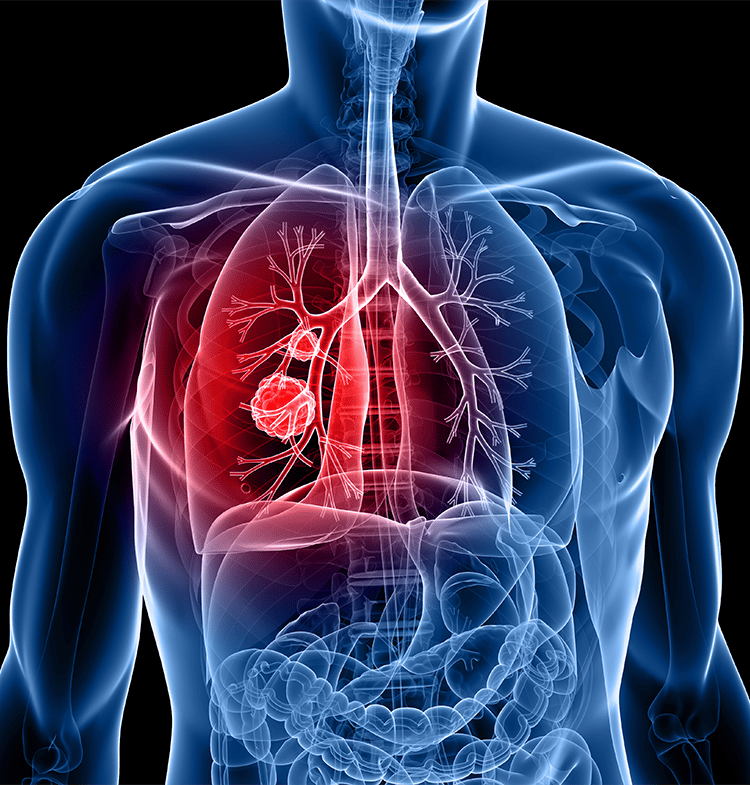
Respiratory & Pulmonary

Evaluate anti-inflammatory and antifibrotic activity in well-characterized respiratory models, ideal for asthma, COPD, and pulmonary fibrosis programs.


  • Allergen-Induced Pulmonary Inflammation (Asthma models)
  • Pulmonary Fibrosis – Assess antifibrotic therapies
  • Lipopolysaccharide (LPS)-Induced Airway Inflammation – evaluate innate immune response and cytokine release for rapid screening for acute inflammatory responses
  • Lethal Endotoxemia (Septic Shock) – Evaluate anti-inflammatory or cytokine-modulating agents under acute systemic conditions

Gastrointestinal

Model intestinal inflammation and mucosal immune response to evaluate efficacy in ulcerative colitis and Crohn's disease.

 

  • Inflammatory Bowel Disease (IBD) Models: Choice of acute or chronic inflammation profiles
     
    • Dextran Sulfate Sodium (DSS)-Induced Colitis

    • Trinitrobenzene Sulfonic Acid (TNBS)-Induced Colitis
iStock_23345925_GI-2
GettyImages-534423415_Small

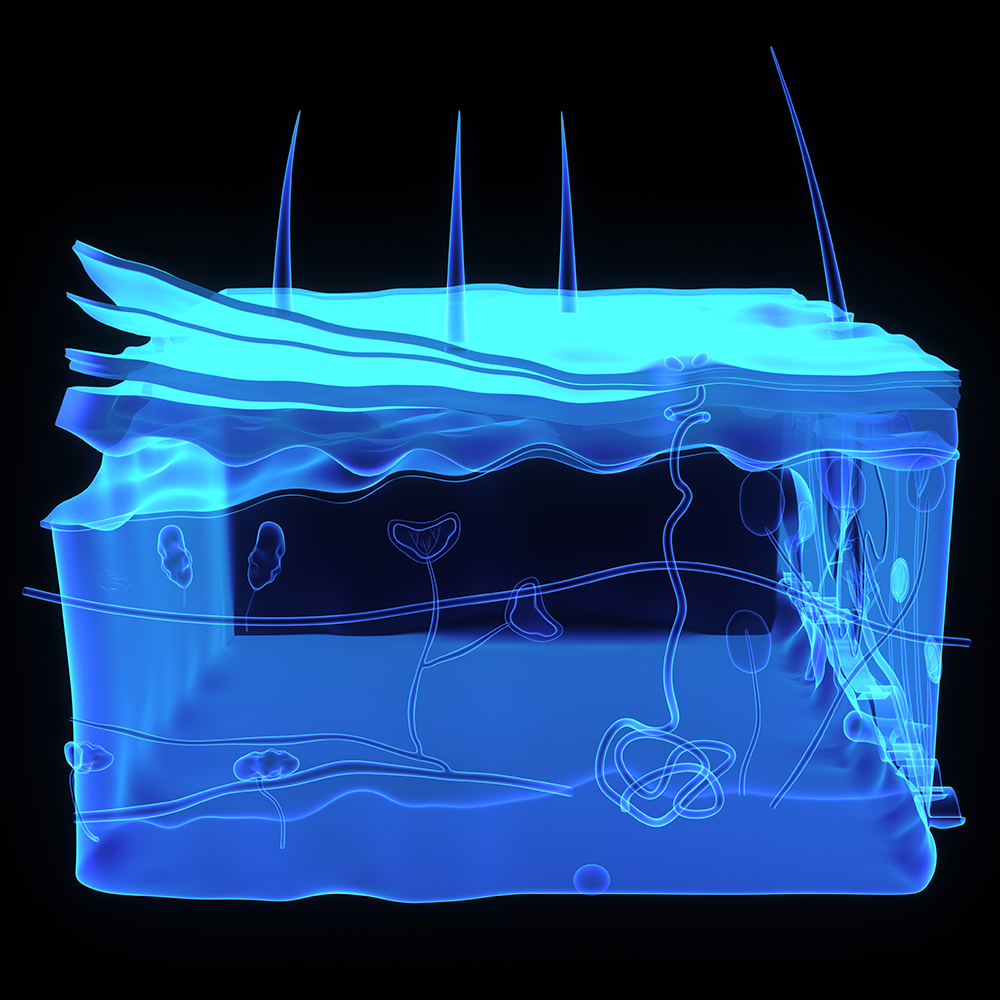
Dermatological

Evaluate topical or systemic therapies in models that mimic chronic inflammatory skin conditions.


  • Atopic Dermatitis – Assess barrier function and itch mechanisms

  • Contact Dermatitis/Delayed Type Hypersensitivity


  • Psoriasis – Evaluate biologics and small molecules

  • Wound Healing – Test regenerative therapies

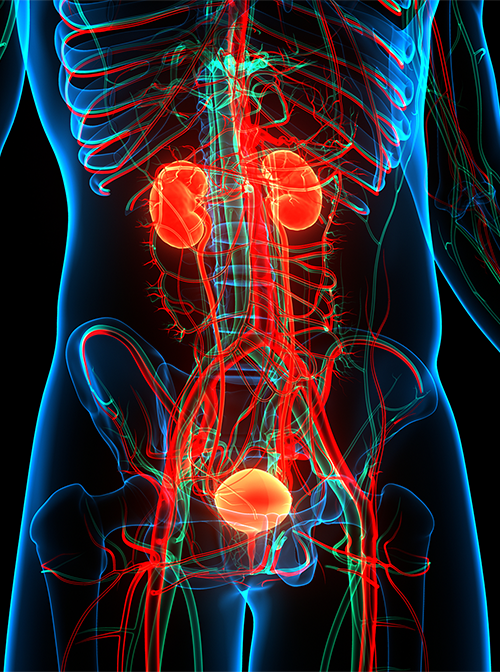
Renal

Explore our renal disease models designed to evaluate therapeutic efficacy in autoimmune-driven nephritis, renal inflammation, and fibrosis.
 

  • Systemic Lupus Erythematosus (SLE): Replicates autoimmune-driven nephritis by assessing immune complex deposition and renal function for evaluating immunomodulators

  • Unilateral Ureter Obstruction (UUO): Used to assess fibrosis and inflammation in renal injury and progressive kidney disease
Kidneys with Bladder_1290469746_SM-1

Neurological & Neuromuscular

Explore neuroinflammation and autoimmune-mediated CNS disorders.

 

  • Experimental Autoimmune Encephalitis (EAE) - The gold standard for Multiple Sclerosis (MS) research

  • Myasthenia Gravis (MG) – Evaluate neuromuscular junction therapeutics
GettyImages-2162367268_small

Rheumatic & Joint

Designed to evaluate anti-inflammatory, analgesic, or disease-modifying agents for rheumatoid arthritis.

 

  • mBSA-Induced Arthritis

  • Collagen-Induced Arthritis (CIA)

  • Monoclonal Antibody-Induced Arthritis – Rapid onset for faster read-outs
GettyImages-1156927069_small

Hepatic & Systemic

Our hepatic and systemic disease models provide translational platforms to evaluate immunomodulatory and hepatoprotective therapies for autoimmune liver diseases and immune-mediated disorders.


  • Primary Biliary Cholangitis (PBC): For assessing immunomodulatory and hepatoprotective therapies for rare autoimmune liver disease.

  • Graft-versus-Host Disease (GvHD): Evaluates immune cell–mediated tissue injury and efficacy of immunomodulatory treatments.

Human Body Organs Anatomy (Liver)_672429166_small

Ready to Accelerate Your Discovery Program?

From study design and model selection to data interpretation and IP support, GD3 delivers a complete and collaborative research experience. Our scientific teams are available to discuss your target indication, study design options, and endpoints to ensure maximum translational impact.


Let's explore how GD3's validated models and expert-driven insights can accelerate your discovery of therapies for inflammation and autoimmune diseases.

Contact GD3 today to discuss how our expertise can help advance your pipeline.